Preserve Evidence Now to Secure Punitive Damages in U.S. Car Accidents
Can punitive damages apply after a U.S. car accident? Learn state rules, what evidence matters, and immediate steps to preserve proof.
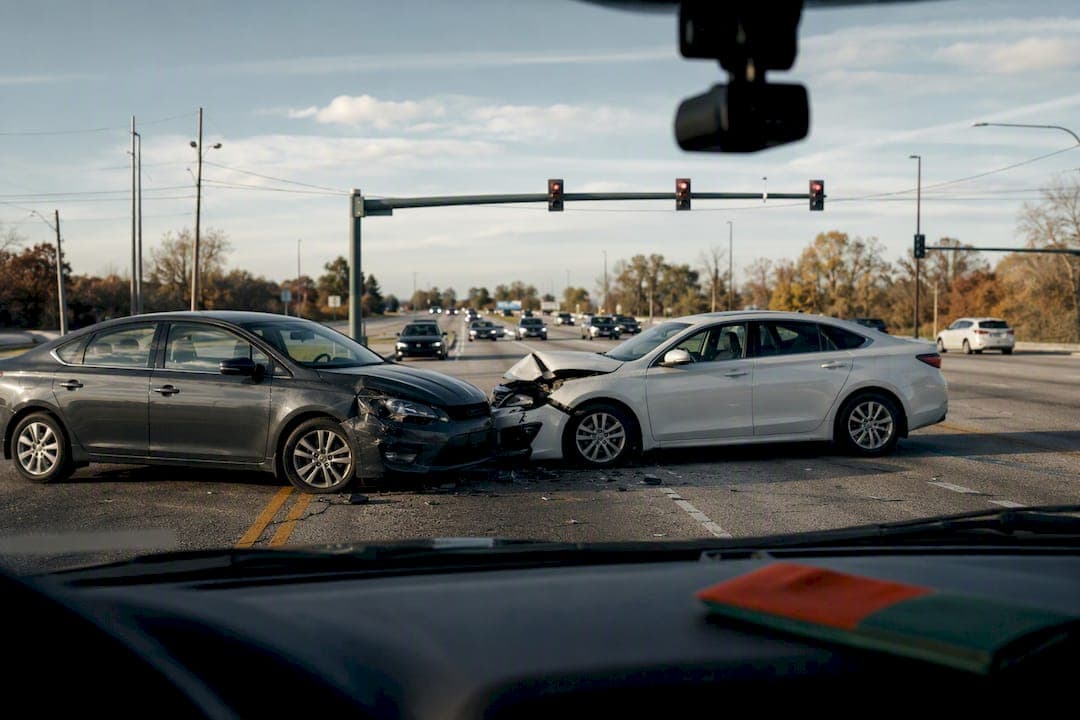
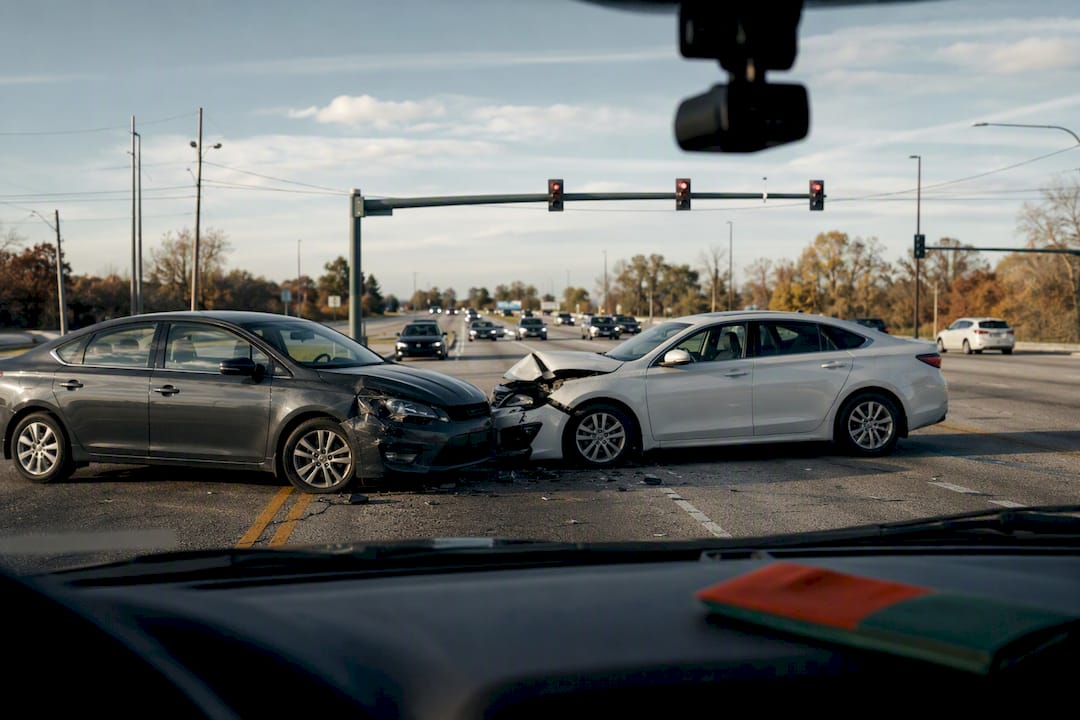
Punitive damages after a car accident are possible but rare. Courts reserve them for conduct far beyond ordinary carelessness, such as drunk driving or deliberately reckless behavior, and every state sets its own rules and proof standard for awarding them. If your accident involved anything close to that level of misconduct, the priority right now is preserving evidence and speaking with an attorney or intake service before proof disappears.
TL;DR:
- Punitive damages are rare and reserved for conduct involving malice, willful misconduct, or gross negligence, not ordinary careless acts.
- Clear and convincing evidence of extreme misconduct such as drunk driving, street racing, or fleeing police is required for a punitive claim to succeed.
- Courts limit punitive damages based on the conduct’s reprehensibility, punitive-to-compensatory ratios, and state-specific caps or restrictions.
- Evidence preservation immediately after a crash, including video and witness records, is critical for building a potential punitive case before evidence disappears.
- Most car accident claims focus on compensation; punitive damages are only applicable in cases of documented egregious behavior or criminal charges against the other driver.
Table of Contents
- What Are Punitive Damages, and How Do They Differ From Compensatory Damages?
- When Can Punitive Damages Be Awarded in a Car Accident Case?
- How Do Courts Limit and Calculate Punitive Damages?
- How Do You Pursue a Punitive Damages Claim After a Car Accident?
- Why Fast, Careful Intake Matters for Punitive Evidence
- What Should You Actually Expect and Do Right Now?
- Get a Fast, Private Case Review Before Evidence Disappears
- Where to Read the Underlying Law Yourself
- Sources
What Are Punitive Damages, and How Do They Differ From Compensatory Damages?
Compensatory damages exist to make an injured person whole. They cover medical bills, lost wages, vehicle repair, and pain and suffering, tied directly to what the crash actually cost you. Punitive damages work on a completely different logic. They exist to punish the defendant and deter similar conduct in the future, not to reimburse you for anything specific.
That distinction shapes everything about how courts treat them. A jury calculating compensatory damages asks, “What did this accident take from you?” A jury weighing punitive damages asks, “How badly did this defendant need to be punished, and will punishing them stop this from happening again?” Those are two separate inquiries with two separate legal standards, and most car accident injury claims never reach the second one.
State statutes and case law describe the conduct that unlocks punitive exposure using a handful of recurring labels:
- Malice — intentional or deliberately harmful conduct.
- Willful and wanton misconduct — a conscious, reckless disregard for the safety of others, the exact language Virginia’s punitive damages statute uses to describe conduct that can trigger exemplary damages.
- Gross negligence — a severe departure from reasonable care, more than a simple mistake but not necessarily intentional.
Ordinary negligence, even serious negligence like running a stop sign or misjudging a merge, almost never clears this bar. Punitive damages sit above the line, reserved for cases where the defendant’s behavior reflects a conscious choice rather than mere accident.
When Can Punitive Damages Be Awarded in a Car Accident Case?
Getting to a punitive damages verdict requires clear and convincing evidence, a standard that sits well above the preponderance of the evidence threshold used for compensatory claims. Preponderance just means “more likely than not,” roughly a coin flip tipped slightly in your favor. Clear and convincing evidence demands something closer to firm belief. A jury has to walk away highly confident the defendant’s conduct was reckless or malicious, not merely careless.
Certain fact patterns show up again and again in successful punitive claims:
- Drunk or drugged driving, particularly with a documented blood alcohol level well above the legal limit.
- Street racing or “playing chicken” with oncoming traffic, where the driver knowingly created extreme danger for a thrill.
- Fleeing police at high speed through populated areas.
- Repeat DUI offenders who kept driving after prior convictions, a pattern that Nolo’s overview of punitive damages in car accident cases points to as one of the clearest triggers.
- Knowingly operating a vehicle with dangerous defects, such as a commercial driver ignoring brake failures flagged in maintenance logs.
State law changes the math considerably. Some states require a specific statutory finding before a punitive claim can even go to trial, the kind of pre-pleading procedure built into Virginia’s statute. Others allow punitive damages in wrongful death cases where they might otherwise be barred, and a few states cap or restrict punitive awards through statute regardless of how egregious the conduct was. There is no single national rule, which is exactly why jurisdiction-specific advice matters more here than in almost any other part of a car crash injury claim.
Pro Tip: *A criminal charge like DUI or reckless driving can strengthen a civil punitive claim, but it is not required.
Evidence quality decides most of these cases. Dashcam or intersection video, a defendant’s own admissions to police, prior citations or convictions for similar conduct, and toxicology reports all carry far more weight than witness recollection alone, since memory fades and video doesn’t.
How Do Courts Limit and Calculate Punitive Damages?
Punitive verdicts don’t stand or fall on jury discretion alone. The U.S. Supreme Court built constitutional guardrails around them, and state legislatures added their own on top.
The Supreme Court’s guideposts, laid out across a line of cases and summarized in Cornell Law School’s analysis of punitive damages and constitutional limits, require courts to weigh three factors before letting a punitive award stand:
- Reprehensibility of the conduct — how dangerous, deliberate, or repeated the behavior was.
- The ratio between punitive and compensatory damages — courts generally favor single digit ratios, though exceptionally reprehensible conduct can justify going higher.
- Comparison to civil penalties for similar conduct in other contexts, as a sanity check against runaway verdicts.
Single-digit ratios between punitive and compensatory awards are the norm the Supreme Court points courts toward, not a hard ceiling.
State law adds another layer of limits. Many states cap punitive damages outright, either as a flat dollar figure or a multiple of compensatory damages, and require pre-suit procedures before a punitive claim can proceed at all, according to Justia’s overview of punitive damages in personal injury cases. A smaller group of states use split-recovery statutes, which divert a percentage of any punitive award away from the plaintiff and into a state fund. Research on split-recovery statutes shows these laws can meaningfully shrink what a plaintiff actually collects, even after winning.
Juries also weigh the defendant’s financial resources, since a punitive award has to sting enough to actually deter future misconduct without being so large it becomes unconstitutional. And once the verdict lands, taxes take a bite: the IRS treats punitive damages as taxable income, unlike most compensatory damages tied to physical injury. That combination of caps, splits, and taxation means the number on the verdict sheet is rarely the number that ends up in a plaintiff’s account.
How Do You Pursue a Punitive Damages Claim After a Car Accident?
Winning a punitive claim starts long before trial, and the process looks different from a standard car crash liability case at nearly every stage.
- Plead it specifically. Your attorney has to include factual allegations in the complaint that support punitive relief, not just general negligence claims, and some states require a separate pre-suit motion before punitive claims can even be added.
- Target discovery toward reprehensibility. That means subpoenaing dashcam or traffic camera video, the defendant’s driving record and any prior convictions, vehicle maintenance logs, cell phone records, and, in commercial cases, the employer’s internal safety files.
- Prepare for a bifurcated trial. Many jurisdictions split the trial into two phases, one for liability and compensatory damages, a second for punitive damages, so the jury doesn’t hear about the defendant’s wealth or misconduct history until liability is already decided.
- Expect appeals scrutiny. Punitive verdicts get appealed far more often than compensatory ones, precisely because of the constitutional ratio guideposts.
- Plan for collection realities. Liability insurance frequently excludes punitive damages or caps insurer exposure to them, meaning a plaintiff may have to collect directly from the defendant’s personal assets, a much harder and slower process, as LegalClarity’s overview of car accident settlements points out.
Pro Tip: Evidence preservation cannot wait for a lawyer to file paperwork. Surveillance video gets overwritten in days, not months, and delays in securing proof are one of the most common reasons punitive claims collapse before they ever reach a jury.
If you’re weighing whether to push for a punitive verdict or accept a settlement, it helps to read a short procedural breakdown of what to do in the first minutes after a crash, which illustrates just how much of a punitive case gets decided before anyone files a lawsuit.
Why Fast, Careful Intake Matters for Punitive Evidence
Punitive claims live or die on facts collected in the first days after a crash, which is exactly where an intake process earns its value. An eligibility check gathers important details that matter if a case has punitive potential, such as criminal charges against the at-fault driver, existing video or witness information, injury severity and treatment status, and whether the person has legal representation to avoid duplicate outreach.
None of that intake constitutes legal advice, and Caseclosedfl doesn’t evaluate the strength of a punitive claim itself. What it does is route the details to a human reviewer quickly, so a qualified attorney in your state gets the chance to preserve evidence while it still exists. Coverage in multiple states matters given how much punitive damages law varies by state.
What Should You Actually Expect and Do Right Now?
Most car accident claims never involve punitive damages, and that’s not a flaw in the system. It reflects a deliberate legal choice to reserve punishment for conduct that goes well past carelessness. If you’re hoping a routine rear-end collision will produce a punitive windfall, the honest answer is that it almost never does.
Where punitive claims genuinely matter is narrower: criminal charges pending against the other driver, a documented pattern of prior similar conduct, or clear evidence the defendant knew the danger and ignored it anyway. Outside those situations, your focus belongs on compensatory recovery, not a punitive long shot.
Here’s a short checklist worth acting on immediately after any serious crash:
- Call police and get an official report on record.
- Get medical care immediately, even if injuries seem minor.
- Photograph the scene, vehicles, and any visible injuries before anything gets moved or repaired.
- Save dashcam, phone, or nearby business surveillance footage before it’s overwritten.
- Limit social media posts about the crash until you’ve spoken with counsel.
- Contact an attorney or intake service early, before evidence starts to disappear.
— Luis
Get a Fast, Private Case Review Before Evidence Disappears
The eligibility check gathers accident details, injury status, and current representation status upfront, so connection to an attorney happens only after human review, not sent out broadly to multiple firms.

That privacy-first structure matters most in cases with a punitive angle, where video and witness statements have a shelf life measured in days. Submitting your information through Caseclosedfl’s intake platform starts that clock working in your favor instead of against you. If you’re in South Florida, the Fort Lauderdale accident case review page walks through what local intake looks like, and Texas residents can start through the Texas accident case review page. Caseclosedfl doesn’t provide legal advice and doesn’t guarantee attorney contact, but it does make sure a real person reviews your case before anyone reaches out. Submit your details today and let a qualified attorney evaluate your case while the evidence is still there to find.
Where to Read the Underlying Law Yourself
For readers who want to go straight to primary sources, Virginia’s punitive damages statute shows real statutory language for willful and wanton conduct. Cornell Law’s scholarship explains the constitutional ratio limits in depth. The IRS page on taxable income confirms punitive damages’ tax treatment, and the Missouri Law Review’s piece on split-recovery explains how some states redirect part of any award.
This article is general information, not a substitute for advice from a qualified lawyer. Consult a qualified legal professional about your own circumstances before acting on anything here.
Sources
- Virginia Code § 8.01-44.5 (example statutory language on punitive/exemplary damages)
- Scholarly discussion of punitive damages and constitutional limits (Cornell Law scholarship)
- IRS guidance on taxable and nontaxable income
- Missouri Law Review article discussing split-recovery and legislative designs
Recommended
Frequently asked questions
Table of Contents What Are Punitive Damages, and How Do They Differ From Compensatory Damages? When Can Punitive Damages Be Awarded in a Car Accident Case? How Do Courts Limit and Calculate Punitive Damages? How Do You Pursue a Punitive Damages Claim After a Car Accident? Why Fast, Careful Intake Matters for Punitive Evidence What Should You Actually Expect and Do Right Now? Get a Fast, Private Case Review Before Evidence Disappears Where to Read the Underlying Law Yourself Sources What Are Punitive Damages, and How Do They Differ From Compensatory Damages?
Compensatory damages exist to make an injured person whole. They cover medical bills, lost wages, vehicle repair, and pain and suffering, tied directly to what the crash actually cost you. Punitive damages work on a completely different logic. They exist to punish the defendant and deter similar conduct in the future, not to reimburse you for anything specific.
When Can Punitive Damages Be Awarded in a Car Accident Case?
Getting to a punitive damages verdict requires clear and convincing evidence, a standard that sits well above the preponderance of the evidence threshold used for compensatory claims. Preponderance just means “more likely than not,” roughly a coin flip tipped slightly in your favor. Clear and convincing evidence demands something closer to firm belief. A jury has to walk away highly confident the defendant’s conduct was reckless or malicious, not merely careless.
How Do Courts Limit and Calculate Punitive Damages?
Punitive verdicts don’t stand or fall on jury discretion alone. The U.S. Supreme Court built constitutional guardrails around them, and state legislatures added their own on top.
How Do You Pursue a Punitive Damages Claim After a Car Accident?
Winning a punitive claim starts long before trial, and the process looks different from a standard car crash liability case at nearly every stage.
Why Fast, Careful Intake Matters for Punitive Evidence Punitive claims live or die on facts collected in the first days after a crash, which is exactly where an intake process earns its value. An eligibility check gathers important details that matter if a case has punitive potential, such as criminal charges against the at-fault driver, existing video or witness information, injury severity and treatment status, and whether the person has legal representation to avoid duplicate outreach. None of that intake constitutes legal advice, and Caseclosedfl doesn’t evaluate the strength of a punitive claim itself. What it does is route the details to a human reviewer quickly, so a qualified attorney in your state gets the chance to preserve evidence while it still exists. Coverage in multiple states matters given how much punitive damages law varies by state. What Should You Actually Expect and Do Right Now?
Most car accident claims never involve punitive damages, and that’s not a flaw in the system. It reflects a deliberate legal choice to reserve punishment for conduct that goes well past carelessness. If you’re hoping a routine rear-end collision will produce a punitive windfall, the honest answer is that it almost never does.
Ready to enter the accident details?
The eligibility form asks about the accident, injury, treatment, fault and representation before contact information.
Start Eligibility Check